Find out how an industrial ETI structured a sustainable innovation strategy to anticipate regulatory changes, substitute risky materials and mobilize teams around a concrete, responsible roadmap.
Why structure a sustainable innovation strategy?
In many industrial groups, product innovation has historically been based on technical and economic performance.
Today, R&D and Innovation departments have to integrate new parameters:
- Increasing regulatory pressure on certain materials
- Increased ESG expectations from customers
- Uncertainties about the durability of certain substances
- Reputational and competitive risks
- The need to align innovation and CSR strategy
Without a structured framework, initiatives remain fragmented, exploratory and difficult to prioritize.
Set up a sustainable innovation strategy is not just about “greening” existing projects. It is about :
- Anticipating regulatory changes
- Identify technically and economically viable alternatives
- Mobilizing in-house expertise
- Building a coherent roadmap
- Securing competitiveness in the medium and long term
The sustainable innovation strategy becomes a structuring lever for industrial transformation and differentiation.
What you'll discover in this case study
This detailed case study presents :
- Structuring an approach to the substitution of materials with high environmental impact
- Cross-functional mobilization of R&D, marketing, production and CSR teams
- Identification and prioritization of 30 avenues for sustainable innovation
- A selection of 6 strategic solutions for further study
- Building an operational and responsible roadmap
You'll discover a concrete methodology, It's an easy-to-use, reproducible solution for industrial environments faced with complex ESG issues.
A real case of transformation towards responsible innovation
An industrial ETI :
EMPLOYEES
800
SALES
158 M€
ACTIVITY
Metallurgy and mechanics
MATERIALS ISSUE
Strategic medium-term substitution
Strategic challenge: anticipate regulatory and societal challenges to certain materials used, while maintaining industrial performance and market competitiveness.
G.A.C. Group was involved in :
Who is this study aimed at?
This case study is intended for :
- Innovation Departments
- R&D Departments
- Industrial Departments
- CSR Departments
- Sustainable transformation managers
- Industrial companies exposed to regulatory or environmental risks
If you need to structure a sustainable innovation strategy, commit your teams to a responsible approach or anticipate changes in standards, This study will provide you with concrete methodological guidelines.
FAQ - Sustainable innovation strategy
What is a sustainable innovation strategy?
A sustainable innovation strategy aims to integrate environmental, social and regulatory issues into the definition and prioritization of innovation projects. It enables us to align technological performance, competitiveness and responsibility.
What's the difference between sustainable innovation and responsible innovation?
Sustainable innovation focuses on reducing environmental impact and ensuring the long-term viability of the solutions developed. Responsible innovation also encompasses social, ethical and governance (ESG) dimensions. The two approaches are complementary.
Why anticipate material substitution?
Anticipating substitution helps to reduce regulatory risks, secure supply chains and maintain a competitive edge before constraints become mandatory.
How do you mobilize teams around a sustainable transformation?
Mobilization involves :
- Clarifying strategic issues
- A structured, participatory approach
- Objective prioritization of solutions
- A shared roadmap
- Adapted internal communication
How to finance a sustainable innovation strategy?
Numerous regional, national and European government schemes support sustainable innovation projects, particularly in the fields of energy transition, responsible materials and industrial decarbonization.
Would you like to structure your sustainable innovation strategy?
G.A.C. Group supports industrial companies in defining and deploying their sustainable innovation strategy, integrating technological performance, ESG requirements and team mobilization.
Find out more about our innovation strategy and management services
Would you like to find out more about how we help Innovation and R&D Departments structure their sustainable innovation strategies and secure their transformations?
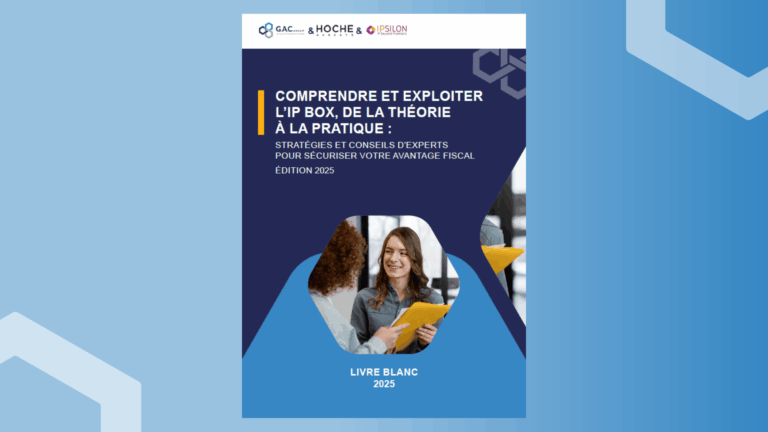
Download the full study
Access the complete process